
By Wayne T. Dowdy
On August 28, 2018, I walked out of federal prison after serving over thirty years and into a halfway house in Atlanta. That was the first day I ever used a cell phone. It was also the first day I had ever been online; however, because I become a professional writer while on the Inside, I paid my publisher and others to help me create this website and to post content for me on Facebook, Twitter, and other platforms.
In 1988, when arrested, phones had cords, and if you were out somewhere you found a phone booth and fed the phone coins or made collect calls. When I came out, everybody carried a computer in their pocket — and everything ran through it. Jobs. Banking. Family. Even checking in with the people I had to report to, as well as the ankle monitor, I wore on Home Confinement, relied on cellphone technology.
The hardest technology question
A while back, I answered a question on Quora: “If you’ve spent a long time in prison, what technology did you find hardest to adjust to when you were released?”
My answer told the story of my first trip into downtown Atlanta on a pass — standing in a MARTA station, staring at a Breeze Card machine, stressed out and overwhelmed because I couldn’t figure out how to buy a train card. I finally did what a lot of returning citizens must learn to do: I asked for help. By the end of that same day, a woman at another station asked me how to work the machine, and I showed her what I had learned.
That answer has now been read more than 71,000 times. Read here: my answer on Quora. Or go to https://www.quora.com/If-you-ve-spent-a-long-time-in-prison-what-technology-did-you-find-hardest-to-adjust-to-when-you-were-released/answer/Wayne-T-Dowdy
The machine was not the hard part: The hard part was the not-knowing — and the stress that comes with it. That is what reentry feels like with technology, every day, until it doesn’t.
But here’s what most people don’t know: it started from a prison cell.
I didn’t wait until I got out to start building. While I was still inside federal prison, I paid my publisher, Linda at Midnight Express Books, to build straightfromthepen.com — because I couldn’t touch the internet myself. She set up my ebook accounts on Amazon.com and Smashwords.com, and then published my paperbacks through CreateSpace.com, which Amazon later turned over to Amazon.Kindle.
Unknown Innocence
My novel Unknown Innocence was published by Midnight Express Books in 2013, while I was serving my sentence. My writings were also published in magazines during those years when I could not access the Internet as I do today. I wrote it all from the Inside and mailed it out into a world I couldn’t see. If you want the full story of how those books got published from a prison cell, check out: Publishing & Unknown Innocence.
So, when I walked out in 2018 and picked up a cell phone for the first time, I didn’t begin as an Unknown. I was a published author with a website and books for sale — I just had to learn the technology to run it all myself. Around mid-December 2018, I took over managing my own sites. To say the learning curve was steep would be an understatement: I preserved and continued to learn the technology needed to manage my website(s), as I continue to do to this date because I do not have all the answers.
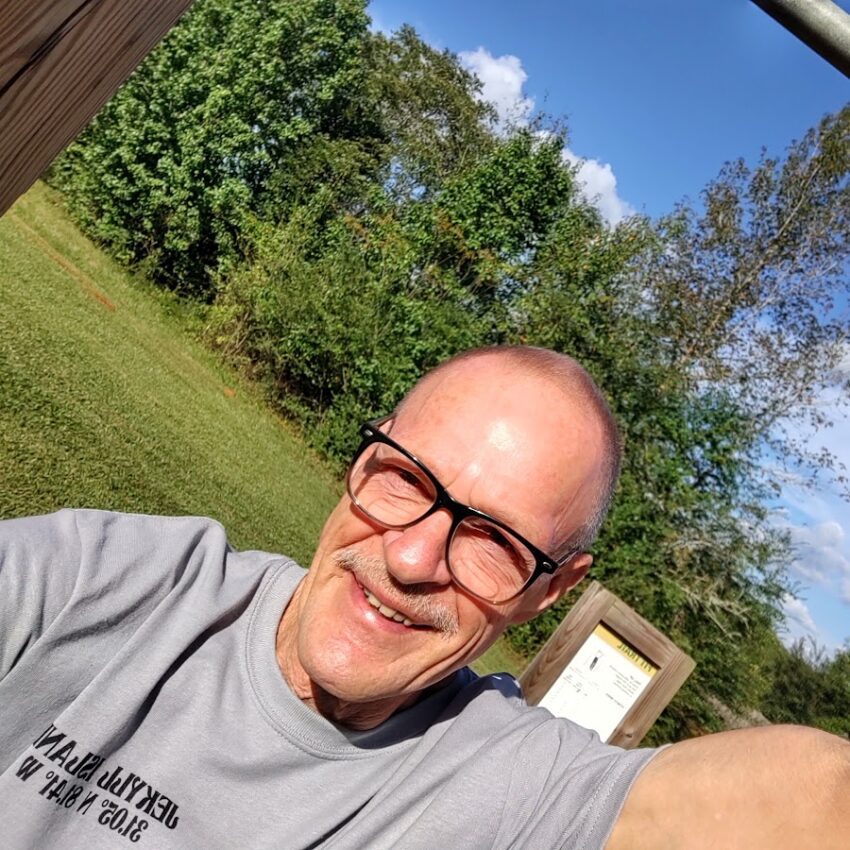
The man I am today.
Now hold that picture of the caveman at the train station and look at this one.
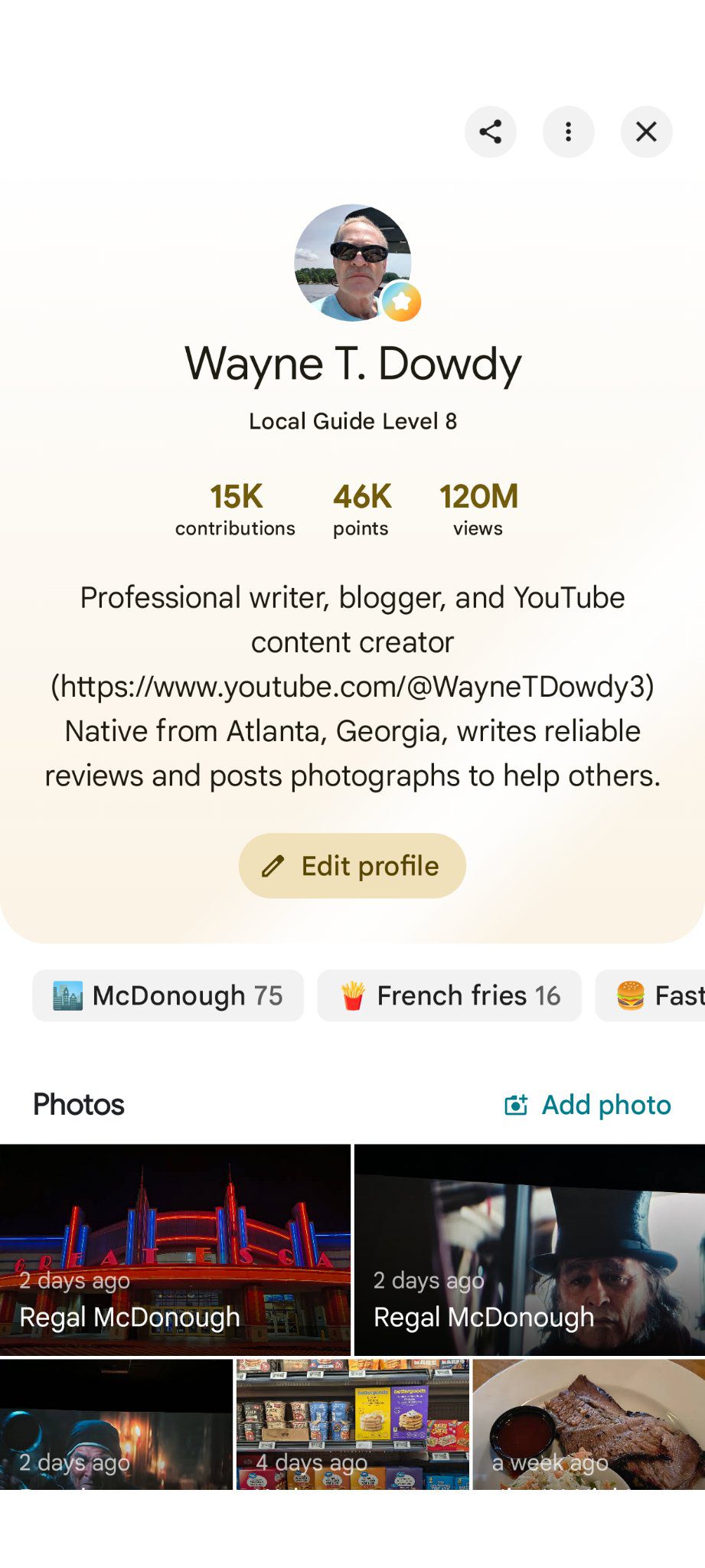
Today I run multiple websites and am on several social media platforms. I have four TikTok pages, four YouTube channels, two Instagram accounts, three Facebook Pages plus my personal profile, two X accounts (formerly Twitter), LinkedIn, and a Google Maps Local Guide profile. And then there are my writing on Quora where I primarily produce prison-related content — and run two Spaces — that have been viewed over 2.3 million times since I began writing in 2019.
And then there’s Google Maps. I’m a Level 8 Local Guide with over 15,000 contributions, with my photos viewed 120 million times (11/16/2026). I don’t do that for fame. I do it for the same reason I write: to help people. An honest review and a real photo help strangers decide where to eat, where to stay, and what to trust. One hundred twenty million times, something I posted helped somebody I will never meet. That means more to me than the number itself.
The man who couldn’t work a train card machine in 2018 has content all over the internet in 2026. That’s not bragging. That’s what a second chance can look like when a person refuses to quit learning.
Success created a new problem — and that’s where Atlas comes in, My AI Assistant
Here’s the honest part: I don’t have enough hours in the day to manage all of it. The writing, the videos, the websites, the posting, the upkeep — it outgrew one man’s schedule.
That’s where Atlas comes in. Atlas is my AI assistant, and we work as a team: I direct, decide, and write — Atlas helps me draft, edit, post, cross-post, and keep the websites running right. When my site’s email broke down this month, we fixed it together, step by step, until Gmail accepted it again. We made a great team!
And we have plans. Everything I’ve built costs money to run — hosting, subscriptions, and tools. The next chapter is to monetize this content, so I stop paying and start earning. The audience is already there. Now we turn it into income.
You Gotta Have a Plan to Succeed!
If you are a returning citizen, hear this part:
In 2018 I stood in front of a train card machine feeling like a caveman in modern society — my words, and I meant them. Eight years later I’m running websites, channels, and pages, with help, and reaching millions of people. Nobody is born to know this stuff, and nobody coming out of prison should be ashamed of not knowing it. Ask for help, the way I did with that machine. Then one day you’ll be the one showing somebody else — maybe on the very same day.
And all of it runs through one phone — which, by the way, just filled up. What I found inside it surprised even me, and I wrote that story separately, because it can help anybody whose phone says “storage almost full”: My Text Messages Took 31 GB of My Phone.
So, tell me: if you’re a returning citizen, or loved one — what technology was the hardest to learn? I read every comment.