
by Rebecca Flynn/Justice Stride

Why the Sale of Prisoners’ Bodies Should Alarm Us All
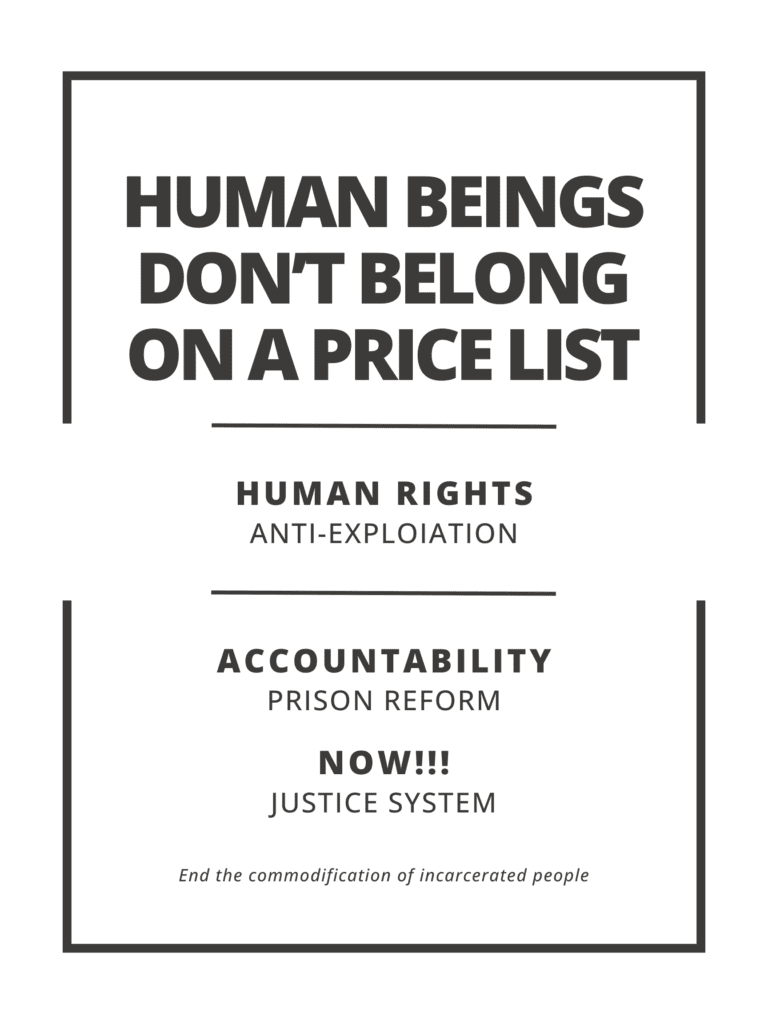
In a society that claims to value human dignity, the idea that incarcerated people’s bodies can be sold after death should provoke serious discomfort. Yet in the United States, reports have surfaced over the years suggesting that remains of prisoners—often unclaimed—have been transferred to private companies, medical institutions, or research facilities, sometimes with little transparency and questionable consent. This practice, though not widely discussed, raises profound ethical concerns about how we treat the most marginalized members of society.
An Issue of Consent
At the heart of the issue is consent. In many cases, incarcerated individuals have limited autonomy while alive, and even less control over what happens to their bodies after death. Families may not be notified in time, or at all. In some instances, remains have reportedly been used for medical research or educational purposes without clear, informed permission. When consent becomes murky or absent, what might otherwise be considered a contribution to science begins to resemble exploitation.
Lack of Transparency
Here is also a transparency problem. The general public is largely unaware that such practices occur, and oversight mechanisms are often unclear or inconsistent across states. Without strong regulations and public scrutiny, it becomes difficult to ensure that ethical standards are being upheld. Are families given a real opportunity to claim remains? Are institutions required to document consent? Who benefits financially from these transactions? These are questions that demand clear answers.
To be fair, body donation can serve important purposes. Medical research and education rely on donated remains to train professionals and advance knowledge. But the legitimacy of such programs depends entirely on informed, voluntary consent. When bodies are sourced from populations with diminished rights and limited oversight, the moral foundation of these programs begins to erode.
Conclusion
If the United States is committed to justice and human dignity, it must confront this issue directly. Stronger laws, clearer consent procedures, and greater transparency are essential. Incarceration should not strip a person of their basic humanity—not in life, and certainly not in death. How a society treats its dead, especially its most vulnerable, speaks volumes about its values. Right now, that message is far from reassuring.